








Diablo II: Resurrected is more than a modern remaster of a classic action role-playing game. It is a carefully reconstructed piece of gaming history that demonstrates why Diablo II became one of the most influential titles in the ARPG genre. Originally released in 2000 alongside the Lord of Destruction expansion, the game established many of the systems that players now consider fundamental to loot-driven action RPGs. More than two decades later, its combination of atmosphere, character customization, item hunting, and demanding progression remains remarkably compelling.
Developed by Blizzard Entertainment, Diablo II: Resurrected preserves the original game's mechanical foundation while rebuilding its presentation for modern hardware. Players can experience Sanctuary with completely redesigned 3D graphics, enhanced lighting, improved visual effects, and remastered cinematics. The transformation is particularly impressive because the underlying game remains recognizable. Veterans can even switch between the modern presentation and the original legacy graphics almost instantly, making it possible to appreciate just how extensive the visual upgrade really is.
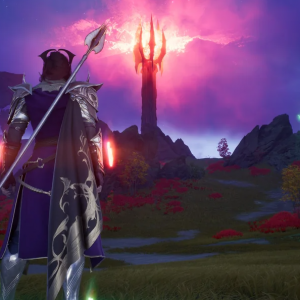
The new visual architecture is one of the game's biggest attractions. Dungeons are darker and more detailed, spells illuminate their surroundings, armor reflects environmental lighting, and monsters appear significantly more threatening. The environments retain the grim Gothic identity of the original while benefiting from contemporary rendering technology and support for native 4K resolution.
Sound plays an equally important role. Diablo II was always an atmospheric experience, and Resurrected strengthens that atmosphere through remastered audio and Dolby Surround 7.1 support. The sounds of monsters, combat, magic, weather, and dungeon environments contribute to an experience that feels oppressive without becoming overwhelming.
However, graphics and audio are only the surface of Diablo II: Resurrected. The game's greatest strength remains its progression system. Players select one of seven classes: Amazon, Assassin, Barbarian, Druid, Necromancer, Paladin, or Sorceress. Each class has distinctive skills and can be developed in numerous ways.
The Sorceress, for example, can specialize in elemental magic, while the Necromancer can build an army of undead followers. The Paladin combines powerful combat abilities with useful auras, and the Barbarian relies on physical strength and weapon mastery. Meanwhile, the Amazon excels at ranged attacks, the Assassin can combine martial techniques with traps, and the Druid can manipulate nature while transforming into powerful beasts.
This depth makes every new character an opportunity for experimentation. Skill allocation, statistics, equipment, resistances, and synergies all influence the final build. Mistakes can have meaningful consequences, which makes planning especially important.
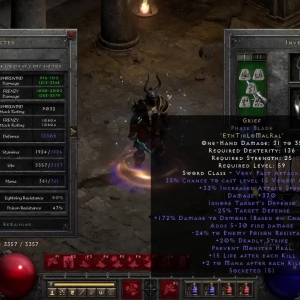
The famous Runeword system adds another layer of complexity. Finding the correct runes is only part of the challenge. Players must understand rune combinations, socketed equipment, item bases, and the requirements of specific builds. The result is an economy of knowledge as much as an economy of loot. Experienced players may spend considerable time evaluating potential D2R Items because a seemingly ordinary piece of equipment can become extremely valuable when combined with the right build.
The three difficulty levels—Normal, Nightmare, and Hell—also ensure that character development remains meaningful. Enemies become progressively more dangerous, resistances become increasingly important, and successful builds require greater attention to equipment and strategy.
Modern conveniences make this classic structure easier to enjoy. Shared stashes allow players to move equipment between characters, while optional automatic gold pickup removes an unnecessary source of repetitive clicking. Cross-progression also allows supported players to continue their adventures across compatible platforms.
Multiplayer remains another important part of the experience. Up to eight players can cooperate, while PvP provides a more competitive alternative. Whether someone prefers solo exploration, cooperative boss farming, or competitive dueling, the game offers plenty of room for different playstyles.
For players returning after many years, Diablo II Resurrected Items provides a powerful nostalgia trip without feeling trapped in the past. For newcomers, it provides an opportunity to experience the design philosophy that influenced countless modern loot-based games.
The Dark Wanderer's journey still feels memorable, the hunt for powerful equipment remains addictive, and the satisfaction of completing a carefully planned character build is as strong as ever. For anyone interested in the origins of the modern ARPG, Diablo II: Resurrected remains an essential experience.