



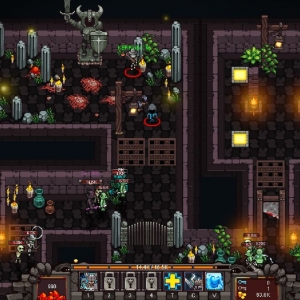








Long Trial of Chaos runs in Path of Exile 2 are less about showing the highest damage number and more about staying effective when every mistake becomes expensive. Players preparing with POE 2 Orbs should consider how each upgrade supports survival across repeated encounters, not only how quickly it ends the first wave.
An endurance-focused character does not need to be slow or passive. The goal is to maintain steady pressure while preserving enough recovery, resources, and mobility to handle the later stages with the same confidence as the opening rooms.
Build Recovery That Works Under Pressure
Recovery becomes more valuable as a run continues because small losses accumulate between encounters. Life regeneration, energy shield recharge, leech, recovery on hit, and reliable flask access can all reduce the time spent waiting for a safe opening. A character that restores itself while moving can enter the next fight ready instead of starting every encounter at a disadvantage.
Defensive layers should also cover different types of danger. Resistances and maximum life help against direct hits, while armour, evasion, block, energy shield, ailment protection, and movement options address other threats. One powerful defensive stat rarely solves every problem, so existing builds should identify their weakest layer before investing in more offense.
Manage Resources and Cooldowns Carefully
Mana, spirit, flask charges, and skill cooldowns can decide whether a late encounter feels controlled or chaotic. Avoid spending every major ability at the first safe opportunity if the next room is likely to contain a dangerous modifier or a difficult rare enemy. Strong skills should be treated as part of the run's resource budget.
Cooldown reduction can help, but practical timing matters more than a perfect rotation. Keep at least one defensive or mobility option available for emergencies, especially when several enemies can overlap their attacks.
Movement and Consistent Damage
Long encounters reward damage that can be delivered while repositioning. Skills with useful range, persistent effects, or forgiving targeting often outperform flashier options when the player must keep moving. The best damage pattern is one that remains dependable without requiring risky positioning every few seconds.
Learn the arena before committing to a burst window. Clear space, identify escape routes, and avoid fighting beside hazards whenever possible. A modest reduction in peak output is usually worthwhile if it allows the character to attack from safer angles and maintain better control.
Why Lower Damage Can Finish Faster
A character that deals ten percent less damage but survives every encounter may complete more content per hour than one that kills quickly and loses runs. Deaths consume time, resources, focus, and often the opportunity to reach the rewards at the end of the trial.
Review failed attempts by asking what actually caused the collapse: poor recovery, an empty flask, an unavailable cooldown, bad positioning, or a damage window taken too early. Small adjustments are easier to test when they target one weakness at a time.
Endurance comes from making every part of the character work together, from defenses and movement to resource control and steady output. When upgrading with POE 2 Exalted Orbs, prioritize changes that keep the build functional deep into the run, because dependable completion speed matters more than impressive numbers at the beginning.
An endurance-focused character does not need to be slow or passive. The goal is to maintain steady pressure while preserving enough recovery, resources, and mobility to handle the later stages with the same confidence as the opening rooms.
Build Recovery That Works Under Pressure
Recovery becomes more valuable as a run continues because small losses accumulate between encounters. Life regeneration, energy shield recharge, leech, recovery on hit, and reliable flask access can all reduce the time spent waiting for a safe opening. A character that restores itself while moving can enter the next fight ready instead of starting every encounter at a disadvantage.
Defensive layers should also cover different types of danger. Resistances and maximum life help against direct hits, while armour, evasion, block, energy shield, ailment protection, and movement options address other threats. One powerful defensive stat rarely solves every problem, so existing builds should identify their weakest layer before investing in more offense.
Manage Resources and Cooldowns Carefully
Mana, spirit, flask charges, and skill cooldowns can decide whether a late encounter feels controlled or chaotic. Avoid spending every major ability at the first safe opportunity if the next room is likely to contain a dangerous modifier or a difficult rare enemy. Strong skills should be treated as part of the run's resource budget.
| Area | Endurance Priority | Common Warning Sign |
|---|---|---|
| Recovery | Consistent healing or restoration | Entering rooms with missing life |
| Resources | Reliable mana and flask sustain | Running out during extended fights |
| Cooldowns | Reserve key skills for danger | Major tools unavailable when needed |
| Movement | Safe repositioning and escape | Taking hits while standing still |
Movement and Consistent Damage
Long encounters reward damage that can be delivered while repositioning. Skills with useful range, persistent effects, or forgiving targeting often outperform flashier options when the player must keep moving. The best damage pattern is one that remains dependable without requiring risky positioning every few seconds.
Learn the arena before committing to a burst window. Clear space, identify escape routes, and avoid fighting beside hazards whenever possible. A modest reduction in peak output is usually worthwhile if it allows the character to attack from safer angles and maintain better control.
Why Lower Damage Can Finish Faster
A character that deals ten percent less damage but survives every encounter may complete more content per hour than one that kills quickly and loses runs. Deaths consume time, resources, focus, and often the opportunity to reach the rewards at the end of the trial.
Review failed attempts by asking what actually caused the collapse: poor recovery, an empty flask, an unavailable cooldown, bad positioning, or a damage window taken too early. Small adjustments are easier to test when they target one weakness at a time.
Endurance comes from making every part of the character work together, from defenses and movement to resource control and steady output. When upgrading with POE 2 Exalted Orbs, prioritize changes that keep the build functional deep into the run, because dependable completion speed matters more than impressive numbers at the beginning.