

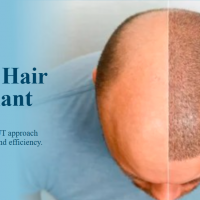








Hair Transplant in Lahore is becoming an increasingly popular option for Pakistani men dealing with hair loss, receding hairlines, thinning crowns, and male pattern baldness. Modern hair restoration techniques can redistribute healthy follicles from the donor area to balding or thinning regions, helping create a fuller and more natural-looking appearance. Choosing an experienced hair transplant surgeon and receiving an individualized treatment plan are important steps toward achieving realistic results.
What Is a Hair Transplant?
A hair transplant is a surgical hair restoration procedure in which healthy hair follicles, usually from the back or sides of the scalp, are transferred to areas affected by hair loss. Because the transplanted follicles are generally taken from areas that are more resistant to androgenetic hair loss, they can provide long-term coverage when appropriately selected and transplanted.
For men in Pakistan, common concerns include a receding hairline, thinning at the crown, widening areas of visible scalp, and advanced male pattern baldness. A consultation helps determine the cause and pattern of hair loss, donor-area availability, required grafts, and the most suitable technique.
Hair Transplant Techniques for Men
Several techniques may be considered depending on the patient's hair-loss pattern and donor supply.
FUE (Follicular Unit Extraction): Individual follicular units are extracted using a small punch and then implanted into the recipient area. FUE avoids the long linear scar associated with traditional strip harvesting and is widely used in modern hair restoration.
FUT (Follicular Unit Transplantation): A strip of scalp containing hair follicles is removed from the donor region and carefully divided into individual grafts. FUT may be considered when a larger number of grafts is required or when the surgeon believes it is appropriate for the patient's donor characteristics.
DHI (Direct Hair Implantation): DHI uses an implanter device to place follicles into the recipient area with control over positioning, direction, and depth. The suitability of DHI depends on individual factors rather than simply being considered a universally superior technique.
Hybrid Hair Transplant in Pakistan
Hybrid Hair Transplant in Pakistan combines FUE and FUT harvesting approaches in selected patients. The technique may allow a surgeon to utilize different harvesting methods when additional graft availability is required. However, it is not appropriate for every patient; donor density, scalp characteristics, previous procedures, and the degree of baldness should be assessed before recommending it.
Hair Transplant in Lahore: What to Expect
The treatment generally begins with a detailed consultation and examination of the scalp. The surgeon assesses the donor area, evaluates the Norwood pattern of male hair loss, discusses the desired hairline, and estimates the number of grafts needed.
On the procedure day, the scalp is prepared and local anesthesia is normally used. Follicular units are then harvested and prepared before being carefully implanted into the thinning or bald areas. The duration varies according to the number of grafts and technique used.
After surgery, patients may experience temporary redness, swelling, sensitivity, or small scabs. Following the clinic's aftercare instructions is essential. Transplanted hair commonly goes through a shedding phase before new growth becomes visible, so patients should understand that final cosmetic improvement takes time.
Choosing Dr. Burhan Ashraf
Dr. Burhan Ashraf is a dermatologist and hair transplant surgeon based in Lahore. His listed qualifications include MBBS, FCPS in Dermatology, MRCP (UK), and the Diplomate of the American Board of Hair Restoration Surgeons. His professional profile also identifies experience in hair restoration and cosmetic dermatology.
His clinic's published treatment information includes FUE, FUT, DHI, and hybrid hair restoration options. Patients should have a proper consultation before deciding which procedure is appropriate for their specific pattern of hair loss.
Cost and Recovery
The cost of a transplant varies considerably depending on graft requirements, technique, surgeon expertise, clinic standards, and the complexity of the case. Instead of selecting a clinic solely on price, Pakistani patients should consider surgeon qualifications, hygiene standards, consultation quality, realistic treatment planning, and documented results.
Recovery also varies from person to person. Most patients can gradually return to routine activities according to their surgeon's instructions, while strenuous exercise and certain hair-care practices may need to be restricted temporarily.
Hair Transplant in Pakistan: Is It Right for You?
Hair Transplant in Pakistan can be an effective option for men with suitable donor hair and stable, appropriately assessed hair loss. However, transplantation does not stop every form of future hair loss. Existing non-transplanted hair may continue to thin, which is why medical evaluation and long-term hair-loss management can be important.
A personalized consultation with a qualified specialist is the best way to understand candidacy, expected density, graft requirements, risks, and likely outcomes.
Frequently Asked Questions
Is a hair transplant permanent?
Transplanted follicles can provide long-lasting growth, but the surrounding non-transplanted hair may continue to thin. Long-term results depend on donor quality, surgical technique, hair-loss progression, and appropriate aftercare.
Is FUE painful?
FUE is generally performed under local anesthesia, which helps minimize discomfort during the procedure. Some tenderness or sensitivity can occur afterward.
How long does it take to see results?
Hair growth is gradual. Patients should not expect an immediate full head of hair. New growth develops progressively over the following months, with the final appearance taking longer to assess.
How many grafts do men need?
There is no standard number. Graft requirements depend on the size of the bald area, hair characteristics, donor density, desired density, and the patient's long-term hair-loss pattern.
Can every man have a hair transplant?
No. A suitable donor area and realistic expectations are important. Men with insufficient donor hair or certain medical causes of hair loss may require alternative treatment or further evaluation before transplantation.