














Baseball games have been part of my routine for ages, so jumping into MLB The Show 26 felt familiar in the best way. This series still leans hard into simulation, and that's exactly why it works. It doesn't chase cheap speed or nonstop fireworks. It cares about timing, pressure, and the little choices that decide innings. If you're already learning the fastest way to get stubs in MLB The Show 26, you'll probably appreciate how much of the game is built around patience and smart decisions rather than instant rewards.
Hitting and pitching feel more personal
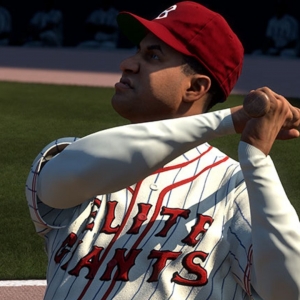
The biggest thing I noticed early was how much more deliberate each at-bat feels. Big Zone Hitting sounds like a flashy feature name, but in play it's actually pretty sensible. You're not just reacting. You're trying to place intent behind the swing, and that changes the whole rhythm at the plate. Mess up by a little and you'll know it. Get it right and the contact feels earned. Bear Down Pitching is just as effective, especially when traffic starts building on the bases. It captures that locked-in, no-room-for-error mood pitchers live in. In close games, those moments hit harder than ever, and that tension is what keeps the gameplay from feeling stale.
Road to the Show has more weight this time
I always end up spending too many late nights in Road to the Show, and this year it grabbed me quicker than usual. Starting out with expanded college play gives your player a bit more identity before the draft even shows up. That matters. Instead of being dropped into the usual rookie climb right away, you get a sense that your path started somewhere real. The Road to Cooperstown angle helps too. It gives the mode a wider horizon, like you're not only fighting for a call-up but shaping a full career with some actual meaning behind the milestones. It's still a grind, sure, but it's a more satisfying one.
Franchise and Diamond Dynasty both got smarter
What impressed me most outside the single-player career stuff was how much cleaner the team-building modes feel. Diamond Dynasty still has that pull where you tell yourself you'll play one game and suddenly it's much later than planned. Mixing current stars with all-time names never really gets old. Franchise, though, might be the quiet winner here. CPU clubs behave in ways that make more baseball sense now. Rotations are handled better. Lineups look more believable. Trades don't feel like they were cooked up by a random number generator. If you're the sort of player who likes digging into roster balance and long-term planning, there's finally more trust in the systems.
Why the series still clicks
On the field, the animation work does a lot of heavy lifting. Infield exchanges look cleaner, catcher movements are sharper, and those close plays around first or at the plate have a more natural flow. The added international stadiums are a nice touch too, not just as visual variety but as a reminder that baseball's bigger than one league or one country. What keeps me coming back, though, is the way the game respects baseball's slower pulse. It understands that tension can build in silence. And for players who like managing every part of that experience, from lineups to currency planning, services like U4GM fit naturally into the broader grind without taking away from what makes the game feel so authentic.